By: Diane Kashin, EdD, RECE.
I vividly recall the year 2010 when full-day kindergarten was introduced in the province of Ontario. At that time, I had the privilege of serving as the president of the provincial professional association for early childhood educators (AECEO). Throughout that period, I found myself engaged in numerous discussions, both formal and informal, regarding the composition of the teaching teams for this new initiative. These teams were designed to include a Registered Early Childhood Educator (RECE) and an Ontario College of Teachers (OCT) certified teacher. The underlying vision was to harness the complementary skills and diverse experiences that both ECEs and teachers could bring to the kindergarten program. Personally, I wholeheartedly supported this publicly-funded initiative, as it provided a career pathway for ECEs that had not existed previously. Today, I am grateful that my grandchildren have the opportunity to participate in this program, with my youngest, Wesley, eagerly awaiting his turn in a few years. My oldest grandchild, Griffen, now in grade 2, even experienced virtual kindergarten during the pandemic, which did provide him with some play-based learning experiences, albeit interspersed with less-than-ideal worksheets and calendar activities.
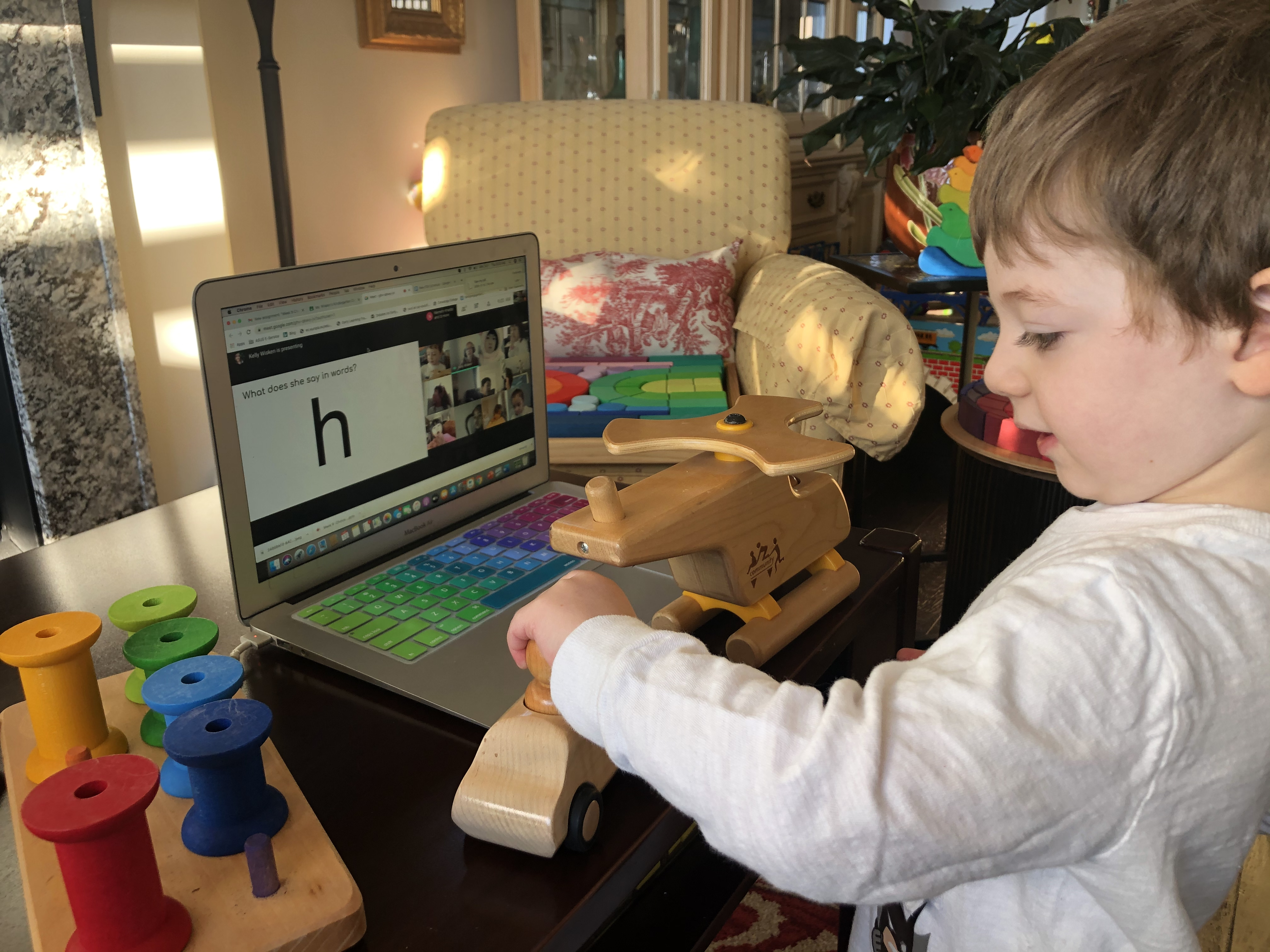
Recently, Reese embarked on her journey in kindergarten with enthusiasm, her joyful steps echoing her eagerness to embrace “big girl school.” When I inquire about her day and her activities, she simply responds, “I played.” This affirmation warms my heart, as it underscores the program’s commitment to play-based learning, which is paramount for children’s development, especially those who thrive in the realm of play.
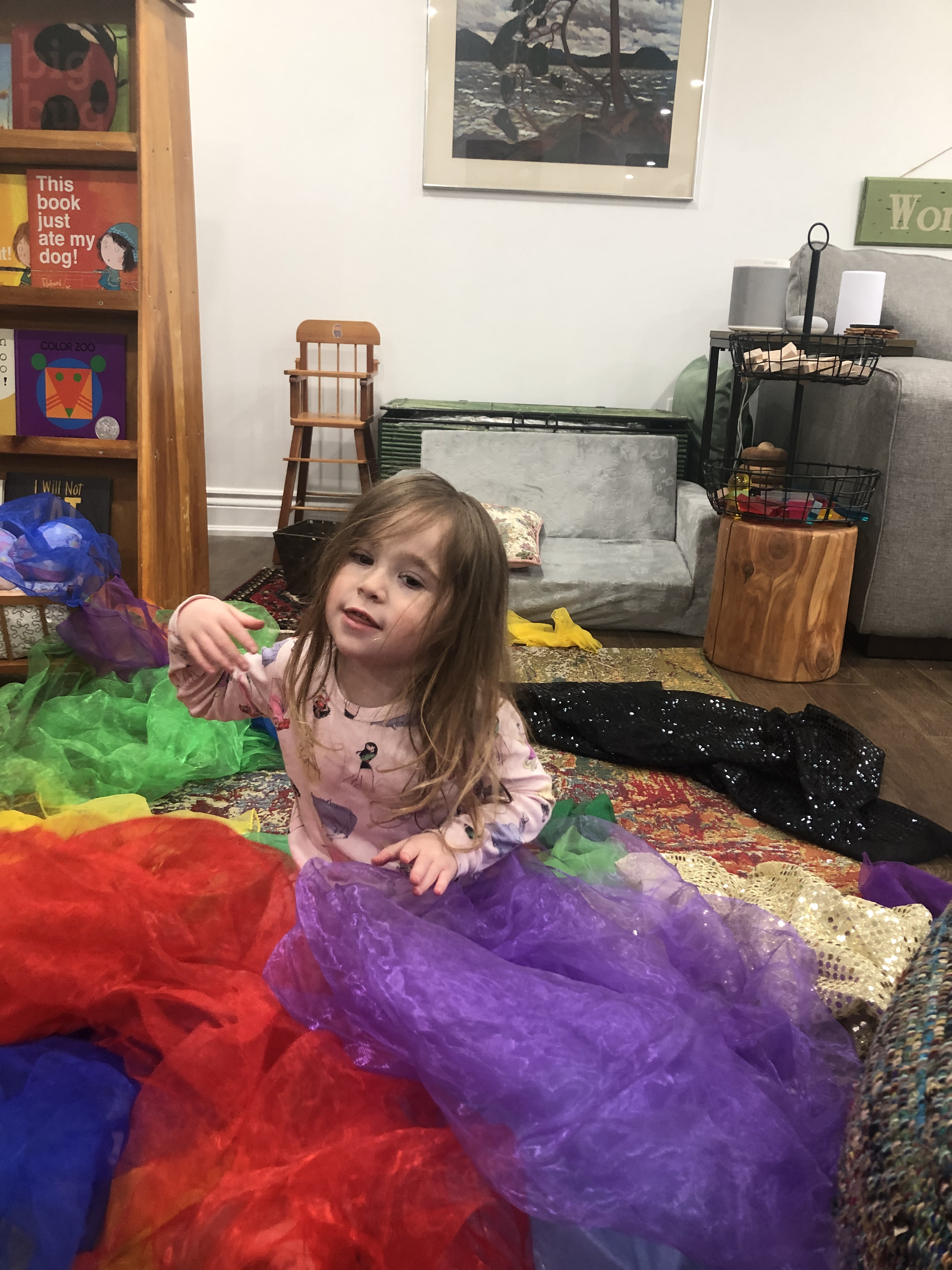
During my tenure as an ECE professor, I had the privilege of visiting many ECE students placed in kindergarten settings. On occasion, I encountered teachers who expressed skepticism about the effectiveness of play-based learning, believing it to be an inadequate approach to children’s education. While I observed some exceptional programs marked by inviting learning environments, responsive relationships among educators and children, and positive adult-adult and child-child interactions, I also encountered my fair share of worksheets, rigid table activities, and calendar-driven routines. I was also privy to firsthand accounts of strained relationships within teaching teams. As full-day kindergarten rolled out, I supported the initiative but also had concerns, which I expressed to relevant authorities but felt largely dismissed. I worried about the potential impact of tension within teaching teams on the children’s educational experience without guidelines for the team to respectively work together, resolving inevitable conflicts to the benefit of all. When there is tension within the team, the children are impacted, and the stress can be overwhelming. The reality is that not all teachers or other individuals value ECEs as they should. My own memories of working in a child care centre located within a school, well before the advent of full-day kindergarten, are still vivid. I recall inquiring about where I could take my break and being directed to the school staff room. Nervously navigating the “big girl school” hallways, I found myself in a room full of unfamiliar faces. Upon explaining my role and workplace, I was met with the response, “Oh, that’s where children just play, and you babysit.” Needless to say, I promptly sought alternative locations for my breaks. Sadly, even today, I come across posts in various Facebook groups suggesting that tensions still exist among teaching teams.
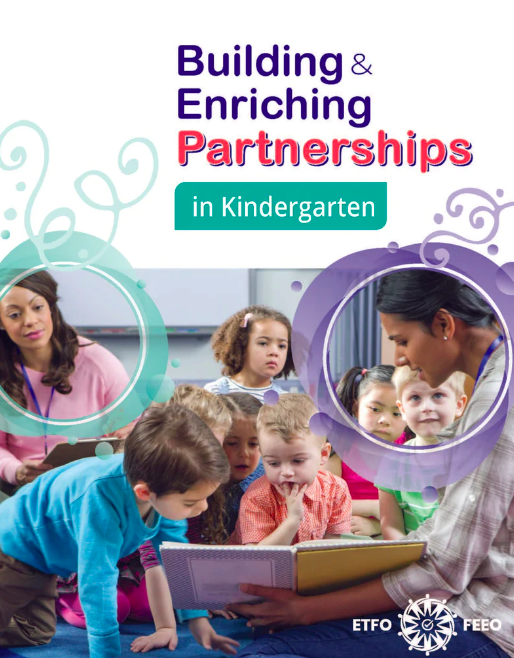
A wonderful professional friend who is a kindergarten consultant, recommended a valuable resource: Building Enriching Partnerships in Kindergarten. Intrigued, I eagerly acquired this reasonably priced book. It delves into the intricacies of partnership dynamics, recognizing that each partnership situation and context is unique. The book emphasizes the importance of fostering openness, trust, communication, reflection, and collaborative learning within teaching teams. While external factors like physical space and class size can influence partnerships, the central role of relationships in the learning process remains paramount. In kindergarten, the teaching team collaborates to bring a play-based program to life, as play is rightfully acknowledged as a child’s fundamental right and a cornerstone of optimal development (Ontario Ministry of Education, 2016). Building Enriching Partnerships in Kindergarten not only shares inspiring stories of successful partnerships but also offers a wealth of practical strategies to support effective teamwork. Particularly noteworthy is the section on conflict resolution, which highlights the importance of addressing conflicts honestly through constructive conversations. However, it can be challenging for ECEs to initiate these discussions, especially when there is an inherent disparity in responsibilities and compensation. This raises the question of whether such partnerships, though professional, fall short of evolving into professional friendships.
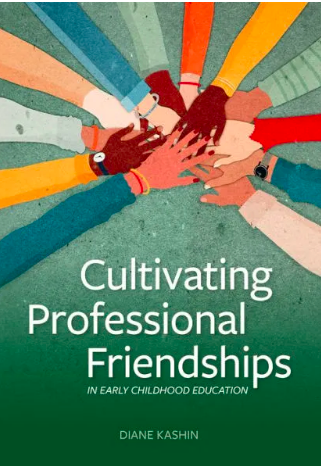
In my new book, Cultivating Professional Friendships in Early Childhood Education which is now available from the publisher and from the Canadian distributor, I delve into the realm of work-related friendships that are characterized by equality. Professional friendships represent a deliberate effort by two colleagues to cultivate a relationship rooted in encouragement, support, love, and kindness. Conversely, some partnerships which denote the state of being partners in a shared activity, can sometimes have power differentials. How we refer to our partner can significantly impact the nature of our partnership, whether positively or negatively. When one partner, perceived as more powerful, refers to the other as “my ECE,” it can imply possession, unintentionally undermining the collaborative spirit. This serves as a reminder that words possess remarkable power, whether we are professional friends, partners, or mentors. In our collective pursuit of the work we do, fostering a spirit of friendship, even if we do not necessarily become professional friends, can pave the way for progress. I wholeheartedly welcome your comments and hope for a year ahead filled with reciprocal, responsive relationships where everyone experiences a sense of well-being and belonging.
 Technology Rich Inquiry Based Research
Diane,
This really hits the mark for me! I am just beginning my journey in schools after leaving childcare. There are definitely some well-established partnerships in the teaching teams I have seen thus far, as well as a few rooms dominated by desks, worksheets, and themes. It certainly creates a challenging environment for new ECEs to be able to advocate for play-based and emergent curriculum. The interesting parts for me so far are that many children with diverse needs are entering the program with letters and numbers already drilled into them and it does not help them navigate peer relationships, social and emotional wellbeing, or self-help skills. The other major thing is a structural perspective on ECEs – the principals who make duty schedules and the like seem to (in my experience) view ECEs in the category of “support staff” rather than fellow educators with expertise, knowledge, and skills. Imagine their surprise when I explained I was going to the outdoor play conference in Ottawa next week! The other part of this Admin view of ECEs is the creation of SK-1 split classes that cut out the ECE altogether. I’m not sure how common this practice is in other boards, but it bothers me even more than split classes of other grades.
The saddest part about leaving childcare for kindergarten is leaving the coworkers who are beyond friendships and more like family after several years working 40+ hour weeks together. It’s gutting, but they also understand my need to not have work dominate my life so completely for my mental health.
LikeLike
wow!! 89Legacy in Early Childhood Education: Embracing the Season of Giving Back
LikeLike