By: Diane Kashin, EdD, RECE
I have used the word “just” too many times in my professional life. “I am just …”. It is a word that devalues whatever I am going to say. I often used it as a way to express a sense of dissatisfaction, devaluation, or belittlement regarding my role, profession, and identity. Or I used it to describe an action taken, like, “I am just sending this email, or “I am just asking …”. When it is said in the statement “I am just an early childhood educator,” the word “just” implies that the speaker feels being an early childhood educator is not highly regarded or valued as much as it should be. Using “just” indicates a feeling of being underestimated or under-appreciated. It indicates that something is lacking which could be the recognition of the skills and contributions of early childhood educators. It suggests that the speaker wishes their role was seen as more important or respected by others. I am an early childhood educator. There is no “just” in the role. We need to stop downplaying our own achievements and qualifications and recognize that our image is impacted by a perception of societal undervaluation of our professional identities. Be aware of how often you use the term as it can subtly impact our self-esteem and contribute to negative societal attitudes towards the profession. There is no “just” in being an early childhood educator; it is a role of immense importance and value.
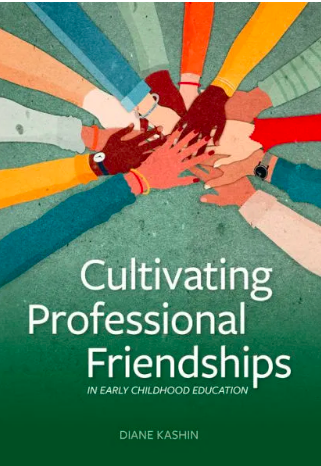
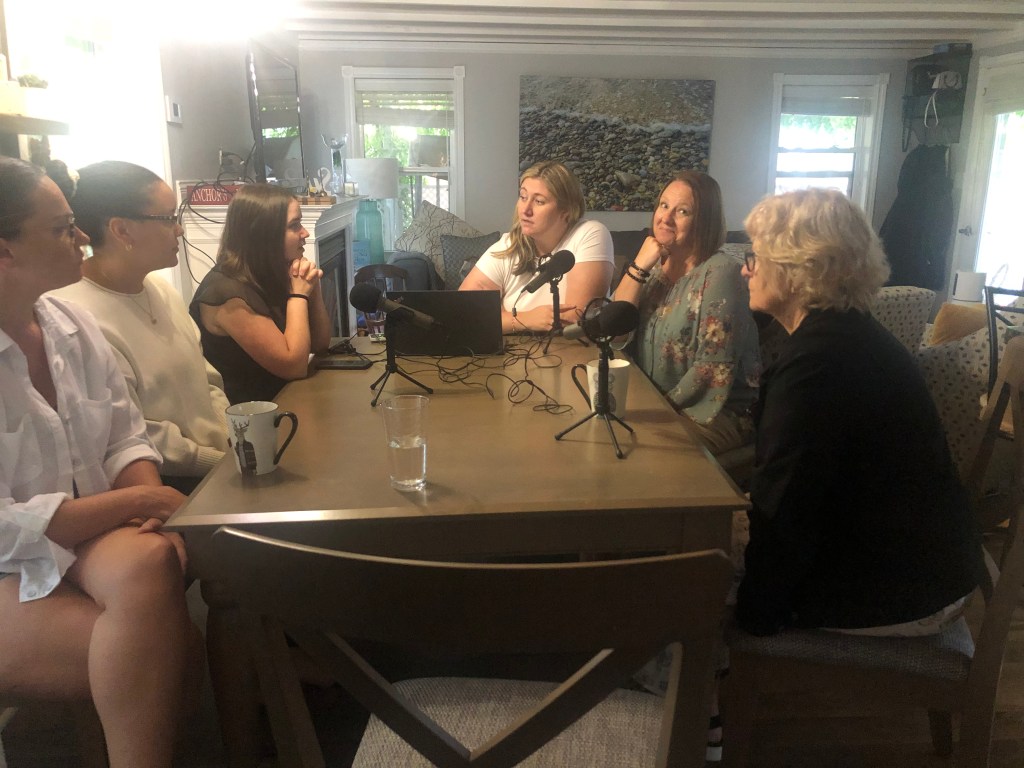
I have been an early childhood educator for almost forty years. Now I have come to a point in my life, that I think about legacy. What am I giving back to the profession that has given me so much? Writing a book on professional friendships provided the opportunity to reflect on how friendships are part of our legacies. Friendships live on in our lives even when the friend is no longer there. Part of our legacy lies in our professional friendships. Legacy is leaving a lasting and positive impact on early childhood education. Your friends can carry your legacy over to the next generation. When we share what is in our minds and hearts with our friends, our professional knowledge and wisdom is a legacy gift. It is a gift given that gives back in many wonderful ways. It was a gift when some of my professional friends visited for cottage conversations and podcast recordings about mentorship and friendship. Stay tuned for the link!
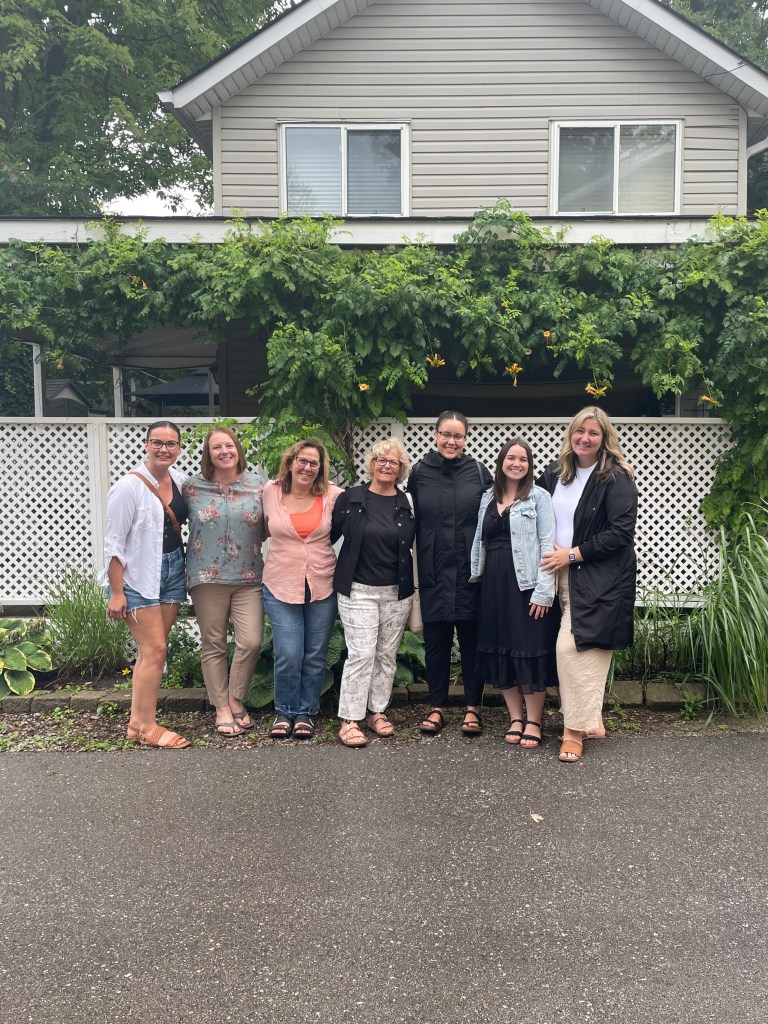
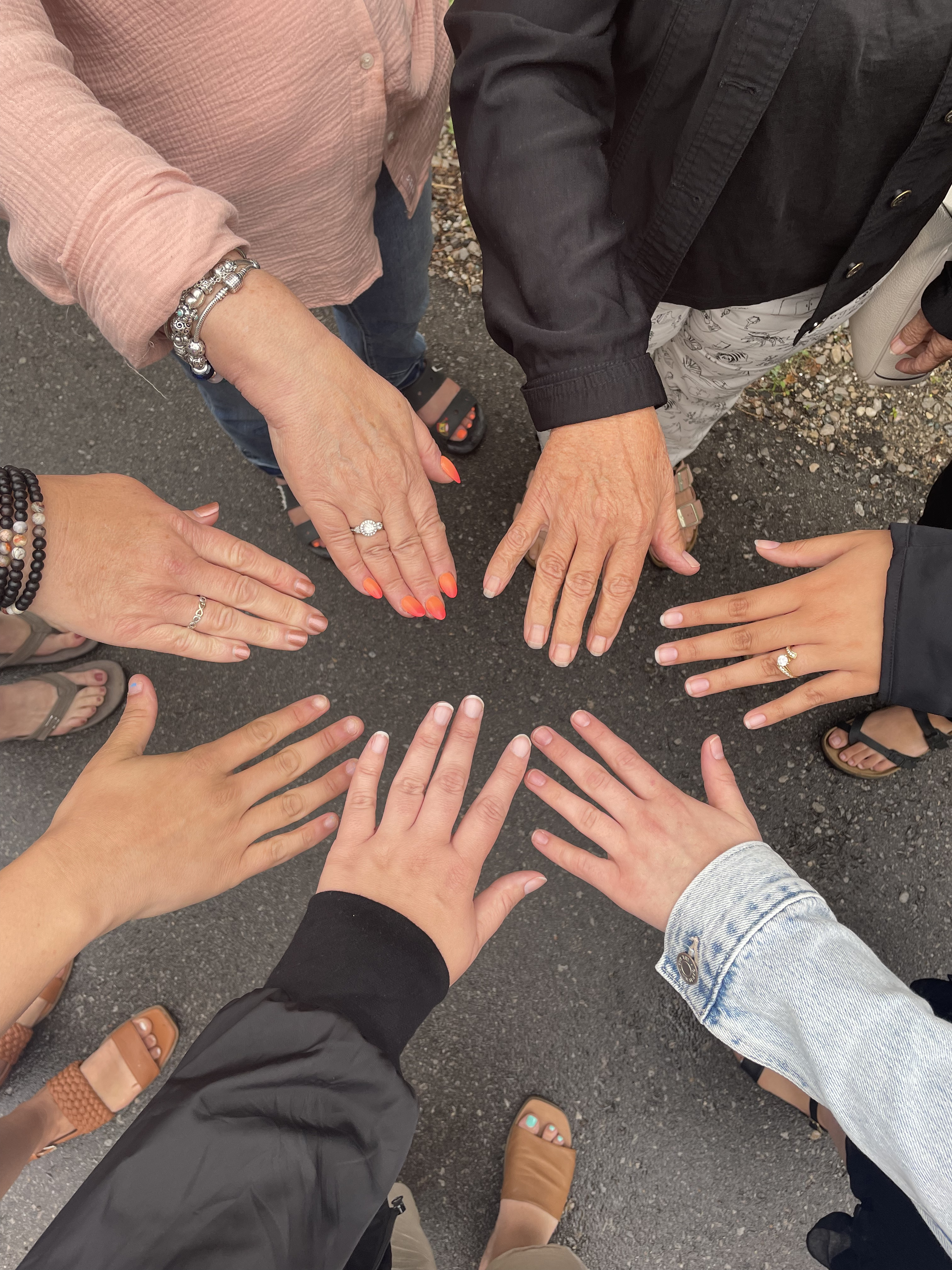
Professional friends are part of a reciprocal relationship with professional knowledge flowing both ways. The knowledge is shaped by identity. To grow a friendship with a colleague requires that you reflect on your identity. Friendships are part of our self-identity, which is who we believe ourselves to be. You already have the qualities that will make you a good friend to another early childhood educator. You are who you are meant to be—a loving and caring person who supports children, their families, and your colleagues. When we come together as friends, we bring our own senses of self. You are more than “just an ECE”. See yourself as competent and capable. You come to every professional situation with knowledge and experience. Yes, there is always room to grow but your voice is important. You are important. You are not just an ECE. Embrace who you are. Be self-aware of your identity. What makes you you? Take your time to pause, be patient and think deeply about the following reflection questions, keeping in mind, that your answers have been shaped by your gender, age, race, roles, family, and life experiences.
- What is important to you at your core?
- What touches your heart and activates your brain?
- What are your values and beliefs?
- Who has influenced you, and why?
- What are your dreams and aspirations not only for yourself, but for the profession of early leaning and care?
Reflecting on your responses to the above questions, enables you to gain a deeper understanding of who you are and what and who has helped shape your thinking and being. If you hide parts of yourself or continue to qualify your role, you are limiting your capacity to be open to professional learning and growth. See yourself from a position of strength. Don’t let your inner voice cut you down, undermining your ability to be happy and your capacity to be a professional friend. Be kind to yourself. We need self-compassion to stay friendly with others over the long term. Self-compassionate people are not selfish. They are connected to others. They know that everyone struggles and that we all make mistakes. People with self-compassion practise self-kindness, the quality that leads us to give ourselves the same care we give to others. You can learn not to attack or abandon yourself if you fall short. Instead, you can learn to offer yourself words of warmth and unconditional acceptance.
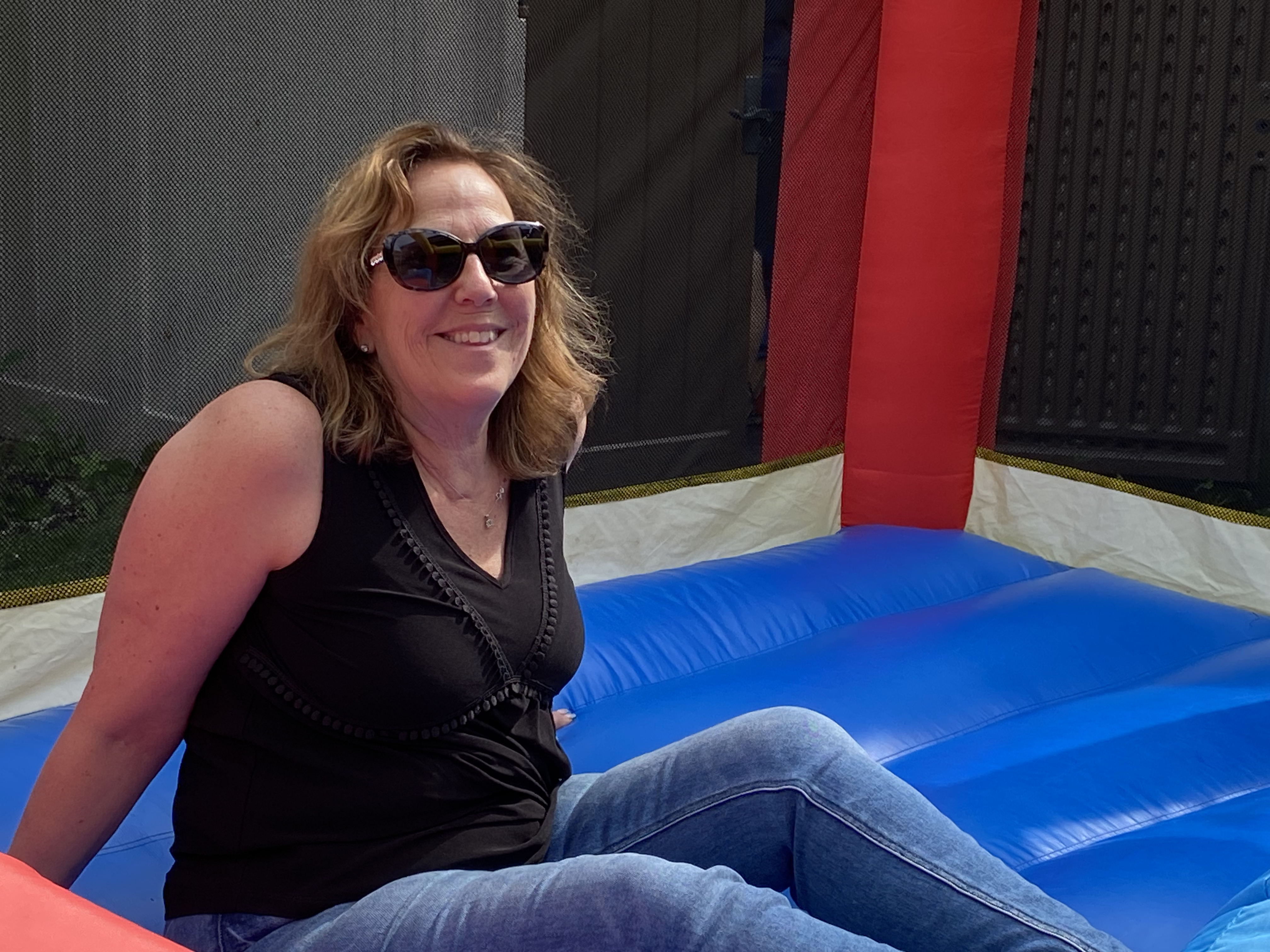
I am learning to accept who I am after all these years. I am even learning to be more comfortable sharing photos of myself. Don’t wait until you are my age to embrace self-compassion! You matter, your experiences matter, and your identity matters. Every day, whether interacting with children, families, or colleagues, remember that you are not “just” an early childhood educator. You are a professional with a unique identity and valuable experiences. Let us collectively break free from the limitations we place on ourselves. Embrace your strengths, acknowledge your worth, and be kind to yourself. Together, we can shape a legacy of strength for early childhood educators, empowering the next generation to thrive and make a lasting impact on our profession. What will be your early childhood education legacy?
 Technology Rich Inquiry Based Research
The other day when with friends discussing what I had done for paid work in stead of saying I was a nursery teacher proudly and loudly, I qualified it by saying that I was a primary teacher first. Why did I feel the need to say this? I did further training to work in the nursery. It is a very skilled job. It is society and being a woman. We undervalue our contribution as society does. What could be more important? Thank you for this blog. Our teachers and Early Educators are returning to work in Scotland as a law comes into force that any 4 year old May remain in Early Ed with a funded place. An enormous change for Scotland. We are changing things. Every person who talks about what our children need is making a difference. You, Diane, inspire me to keep going. Here is our campaign groups latest newsletter. https://mailchi.mp/325adba1d6ee/lets-help-policy-makers-see-the-light
Thank you Kate
LikeLike
It was ironic that before opening your email I had just finished creating a parenting post for our Social Media page on the word “just” in reference to parenting. It is one of by taboo words as it is minimizing and oversimplifies the struggles that parents go through (e.g. “Just sleep when the baby sleeps”). I really appreciate how you highlighted the negative connotation to word has in relation to such an important profession.
LikeLiked by 1 person
Thank you for sharing your important message Diane. I still remember the stinging words of one RECE instructor, who taught us “be whomever families need you to be on a given day.” In others words, don’t bring your self to work. Instead be the most flexible, highly accommodating, responsive worker. Be a pretzels. I can’t imagine any other profession (expect maybe restaurant wait staff or concierge services) getting that advice. I am not suggesting being unattuned to or dismissive of the needs or requests of individual families. That would be unprofessional. But there must be a better concept that illustrates the respectful partnership between parents and ECEs, one that maintains the capacity, practice, and dignity of all parties. I think it would change the conception RECEs have of themselves and their role.
LikeLiked by 1 person