By: Diane Kashin, Ed. D, RECE. I use this blog to share reflections and musings about the practice of early childhood education. In a recent post, The Broken Circle: Rethinking the Practice of Circles in Early Learning I wrote about a topic that fascinated me as a beginning teacher. Currently, circles continue to spiral in and out … Continue reading
Filed under Professional Learning …
Cultivating Professional Identity in Early Childhood Education: Top Tips!
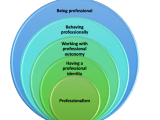
By: Diane Kashin, Ed. D, RECE. Professional identity is the concept which describes how we perceive ourselves within our occupational context and how we communicate this to others. I have been fascinated by this concept for many years, as in days gone by, I often struggled with my identity as an early childhood educator as I … Continue reading
The Broken Circle: Rethinking the Practice of Circles in Early Learning
By: Diane Kashin, Ed. D, RECE. I wrote a blog post last fall about themes in early learning, expressing surprise/concern that they were still a thing! It has become one of my most shared posts reflecting that, indeed there are those who continue the practice. I have always found the use of themes to be … Continue reading
From the Inside be Outside: Nature and Spiritual Development in the Early Years
By: Diane Kashin, Ed. D, RECE. When I taught introductory early childhood education courses, I presented developmental domains by raising my hand. One by one, I would count down the big five, cognitive, social, emotional, language and physical which I would divide into gross and fine motor. Lately, I have been wondering about other domains … Continue reading
Creating Places of Belonging for Learning in Early Childhood Education
By: Diane Kashin, Ed. D, RECE. Recently I experienced the power of place when I spent the weekend in Pennsylvania at Lehigh Carbon Community College (LCCC). I was invited by LCCC’s Teacher Education program to do a morning and afternoon workshop featuring loose parts to help launch its 32nd annual celebration of the Week of … Continue reading
Sensory Play Goes Beyond the Basics
By: Diane Kashin, Ed. D, RECE. I have written about early childhood education basics such as blocks, art and dramatic play before. By basics I mean that these are experiences that are essential and should be commonplace in every early learning environment both indoors and outdoors. By no means though, are these experiences simple. Rather, … Continue reading
Letting Nature Take the Course: Finding Our Rhythm in Early Learning
By: Diane Kashin, Ed. D, RECE. It was in 2015 that the York Region Nature Collaborative offered the first Rhythm of Learning in Nature which is an opportunity for like-minded educators to come together to experience nature in dialogue with the Reggio Emilia Approach and influenced by forest school practices and Indigenous ways of knowing. … Continue reading
Where Have all the Projects Gone? Musings about Inquiry in Early Childhood Education
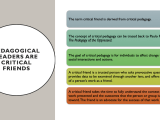
By: Diane Kashin, Ed.D, RECE and Cindy Green, BSc, RECE. We have written about our long-standing relationship in previous posts and how we connected when we were working at the same community college, teaching early childhood education, many moons ago! We became critical friends, before we knew the term. In our context, we were pedagogical … Continue reading
Art for Art’s Sake: Process Art in Early Childhood Education
By: Diane Kashin, Ed.D, RECE. One of the first courses that I taught when starting out as an early childhood education professor, was called “Creative Workshop”. Much to my delight, the course focused on process art. I started the course with an introduction which strongly advocated for process over product and denounced themed crafts, precuts, … Continue reading
Professional Life Lessons for Early Childhood Educators
By: Diane Kashin, Ed.D, RECE and Cindy Green, BSc, RECE. As we age, it is healthy to give advice and to feel that our long careers in the profession of early childhood education has been meaningful. We have both retired from full-time work teaching early childhood education at the same community college. There, the working … Continue reading