By: Diane Kashin, Ed.D, RECE. As I child I remember playing with my mother’s button collection, dipping my hand in, smooshing them about, dumping them on the floor of my bedroom and then playing for hours. Sometimes, I counted them, or sorted them, but I also remember creating elaborate stories with the buttons representing different … Continue reading
Filed under Inquiry …
The Colour of Learning: A Reflection on Reggio, Constructivism and Provocations
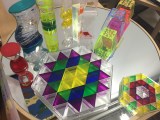
By: Diane Kashin, Ed.D, RECE. Recently, I have been provoked to think and reflect about colour. I have always known that colour impacts learning and that there is a psychology behind colours. Having just moved into a new townhome that I waited two years for the builder to finish, I spent considerable time thinking about the colour … Continue reading
Models and Approaches to Early Learning: Where is the Play and Inquiry?
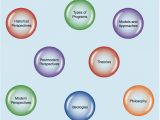
By: Diane Kashin, Ed.D, RECE. There are many perspectives on philosophies and theories and how they should guide early learning practice. Program models and approaches have been been influenced by historical, contemporary, and postmodern views of children, families, and learning. The many program models and approaches in practice in the early learning world are complex in … Continue reading
Emergent Curriculum: Taking Interests to the Next Realm – Cultivate rather than Follow
By: Diane Kashin, Ed.D, RECE. I have written about interests in an earlier blog post. I find interest-based teaching and learning to be so interesting! My interest propels me to think deeply and explore resources and ideas about interests. While some may think that interest-based education is a new concept, it is firmly rooted in the past, as … Continue reading
From Themes to Emergent Curriculum: Facing the Resistance to Change with Kindness and Compassion
By: Diane Kashin, Ed.D, RECE. I spent a number of my formative years as an early childhood educator working in a community based child care program. I worked collaboratively with the other teachers and the administration team. We had a culture of mutual respect and I felt valued as a member of the community. However, … Continue reading
Cut Out the Pre-Cuts: The Trouble with Themes in Early Childhood Education
By: Diane Kashin, Ed.D, RECE. With the start of another school year, early childhood programs, are once again faced with choices – to theme or not to theme? Themes are like worksheets, they represent a school model. I have written about worksheets in previous posts from both a mathematical lens and a literacy lens. I admitted … Continue reading
Step Away from the Photocopier: Learning through Play #nomoreworksheets
By: Diane Kashin, Ed.D, RECE. The worksheet debate rages on! Even with research and alternatives that are play-based and hands-on, their use is still being defended. The fact is worksheets are not developmentally appropriate for preschool and kindergarten. I hadn’t expected the last blog post I wrote on worksheets to be shared more widely than any … Continue reading
Worksheets don’t Work: Try Reggio-Inspired Mathematics!
By: Diane Kashin, Ed.D, RECE. After three decades of fascination with all things early childhood education, I still wonder where the future path will lead? What will the the field of early childhood education look like 25 years from now? Morrison (2004) asked that question over a decade ago and made some predictions including a move … Continue reading
Negotiating Professional Learning in Place: Vygotsky Influenced Forest School
By: Diane Kashin, Ed.D, RECE. A year ago I wrote a blog post about the volunteer work I was doing with the York Region Nature Collaborative and I liken it to a dream. Last week at the Rhythm of Learning in Nature #Rhythm2015 dreams were realized, slightly altered, but nonetheless meaningful. I am so grateful for those 20+ … Continue reading
Multiplicity in Materials: Reggio Inspiration and the Knowledge of Jean Piaget
By: Diane Kashin, Ed.D, RECE. I have been reading a lot about tinkering lately. Tinkering is about hands-on experiences, learning from failures, and unstructured time to explore and invent. And through the processes of exploration and invention lies the potential for innovation. When this image appeared on my newsfeed recently, I thought back to the theorist that most influenced my practice as an … Continue reading